
Food processing plant wastewater: QCVN 40:2025 and the treatment process
Posted 21/11/2026Wastewater from food processing plants usually carries a lot of readily biodegradable organic matter, oil and grease, suspended solids, nitrogen and phosphorus. Since 1 September 2025 this wastewater falls under QCVN 40:2025/BTNMT (Circular 06/2025/TT-BTNMT).
Applicable standard
- QCVN 40:2025 replaces QCVN 40:2011 and the earlier sector standards, including QCVN 11-MT:2015 (seafood processing) and QCVN 63:2017 (cassava starch processing).
- Appendix 2 of the standard lists “Manufacture and processing of food” (code C 10) with the characteristic parameters ammonium, total nitrogen and total phosphorus; cassava starch processing adds cyanide, and meat products, seafood products, animal and vegetable oils and fats, and feed for livestock, poultry and fish add animal and vegetable oil and grease. “Manufacture of beverages” (code C 11) has ammonium and animal and vegetable oil and grease as characteristic parameters.
- Columns A, B and C are set by the function of the receiving water; if the discharge zoning is not yet determined, Column B applies. The applicable column is stated in the EIA decision or environmental permit.
- Facilities already operating, or with an EIA decision, environmental permit or valid dossier before 1 September 2025, may keep applying the old standard for their type of activity and local regulations until the end of 31 December 2031. New projects, expansions and capacity increases filing after 1 September 2025 apply the new standard; from 1 January 2032 every facility must meet QCVN 40:2025.
Reference limit values (QCVN 40:2025)
| Parameter | Column A / B / C |
|---|---|
| BOD5 (mg/l), F ≤ 2 000 m³/day | 40 / 60 / 80 |
| COD (mg/l), F ≤ 2 000 m³/day | 65 / 90 / 130 |
| TSS (mg/l), F ≤ 2 000 m³/day | 40 / 80 / 120 |
| T-N (mg/l) | 20 / 40 / 60 |
| N-NH4+ (mg/l) | 5.0 / 10 / 12 |
| Animal and vegetable oil and grease (mg/l) | 5.0 / 30 / 30 |
| T-P (mg/l), river or sea, general sectors | 4.0 / 6.0 / 10 |
| T-P (mg/l), river or sea, seafood and cassava starch processing | 8.0 / 14 / 18 |
| Coliform (MPN/100 mL) | 3,000 / 5,000 / 5,000 |
BOD5, COD and TSS in Table 1 depend on the discharge flow F (F ≤ 2,000 or F > 2,000 m³/day); the other parameters are in Table 2. The total phosphorus limit is higher for aquaculture, seafood processing, cassava starch processing and natural rubber latex processing discharging to rivers or the sea.
Typical treatment process
- Bar screen and fine screen to remove food debris.
- Grease removal at the source with a manual grease trap or an automatic grease separator (see automatic grease separators and grease traps). Grease that is not removed coats pipes and loads the downstream stages.
- Equalisation tank to stabilise flow and concentration between production shifts.
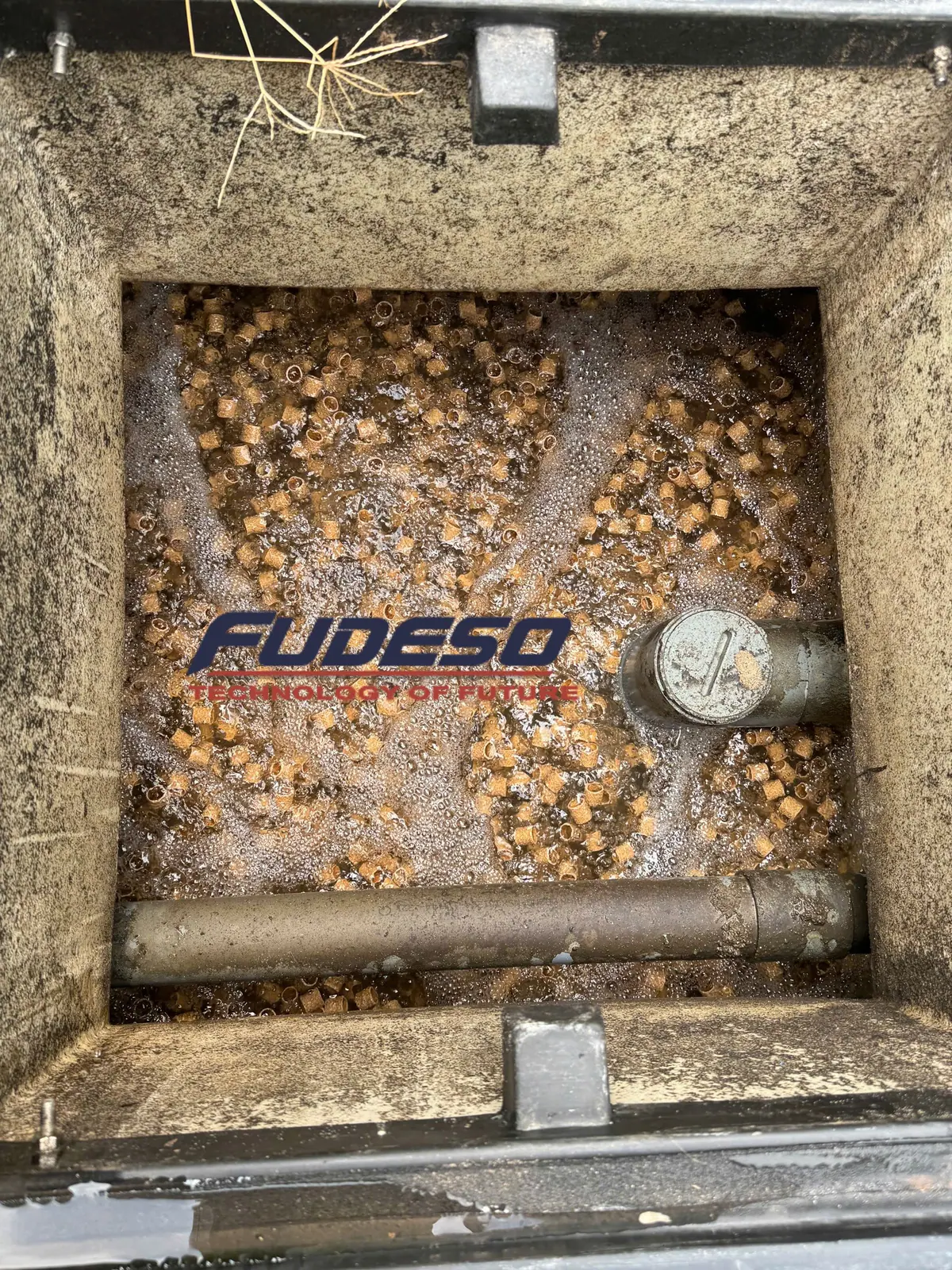
- Biological treatment (aerotank, MBBR or anaerobic followed by aerobic) to reduce BOD, COD and nitrogen.
- Settling and coagulation–flocculation where TSS and phosphorus must be reduced; disinfection to control coliform.
How FUDESO can help
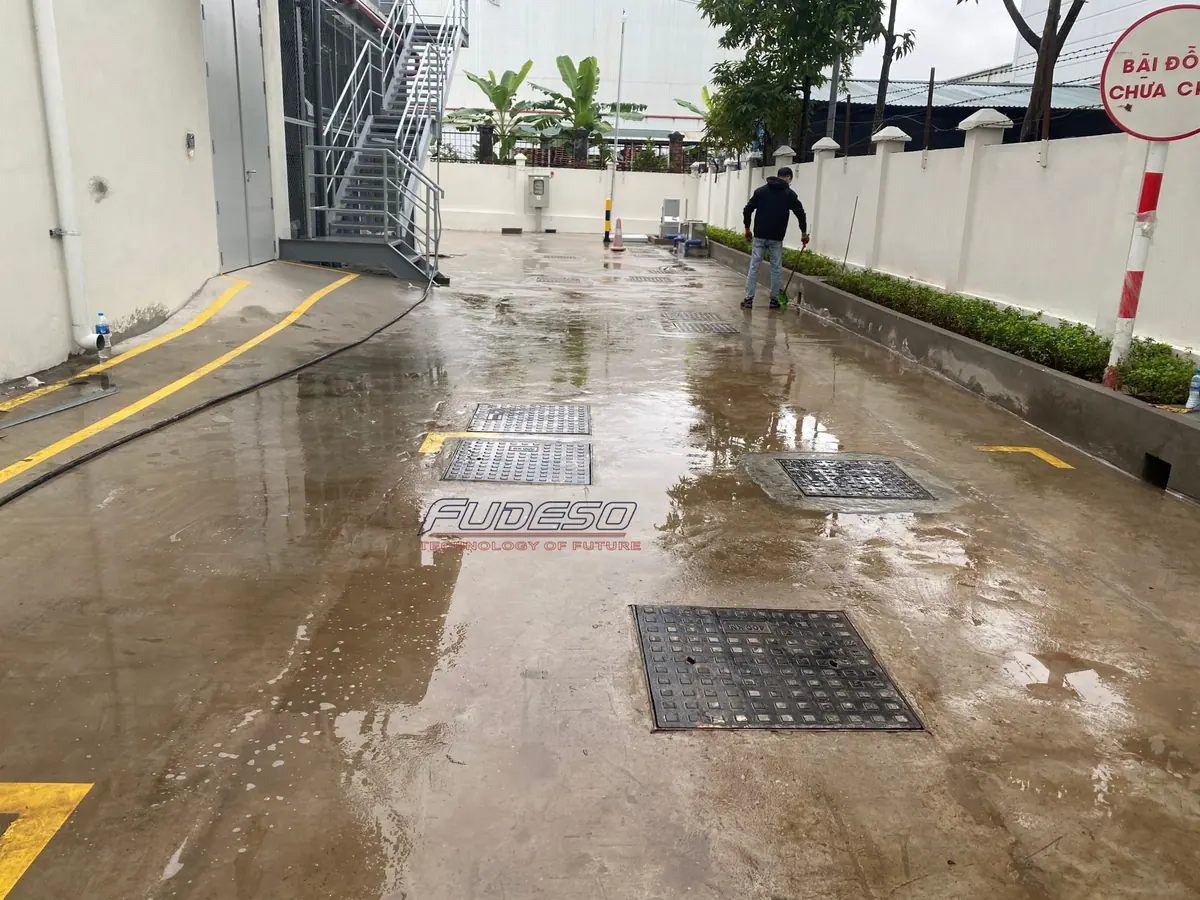
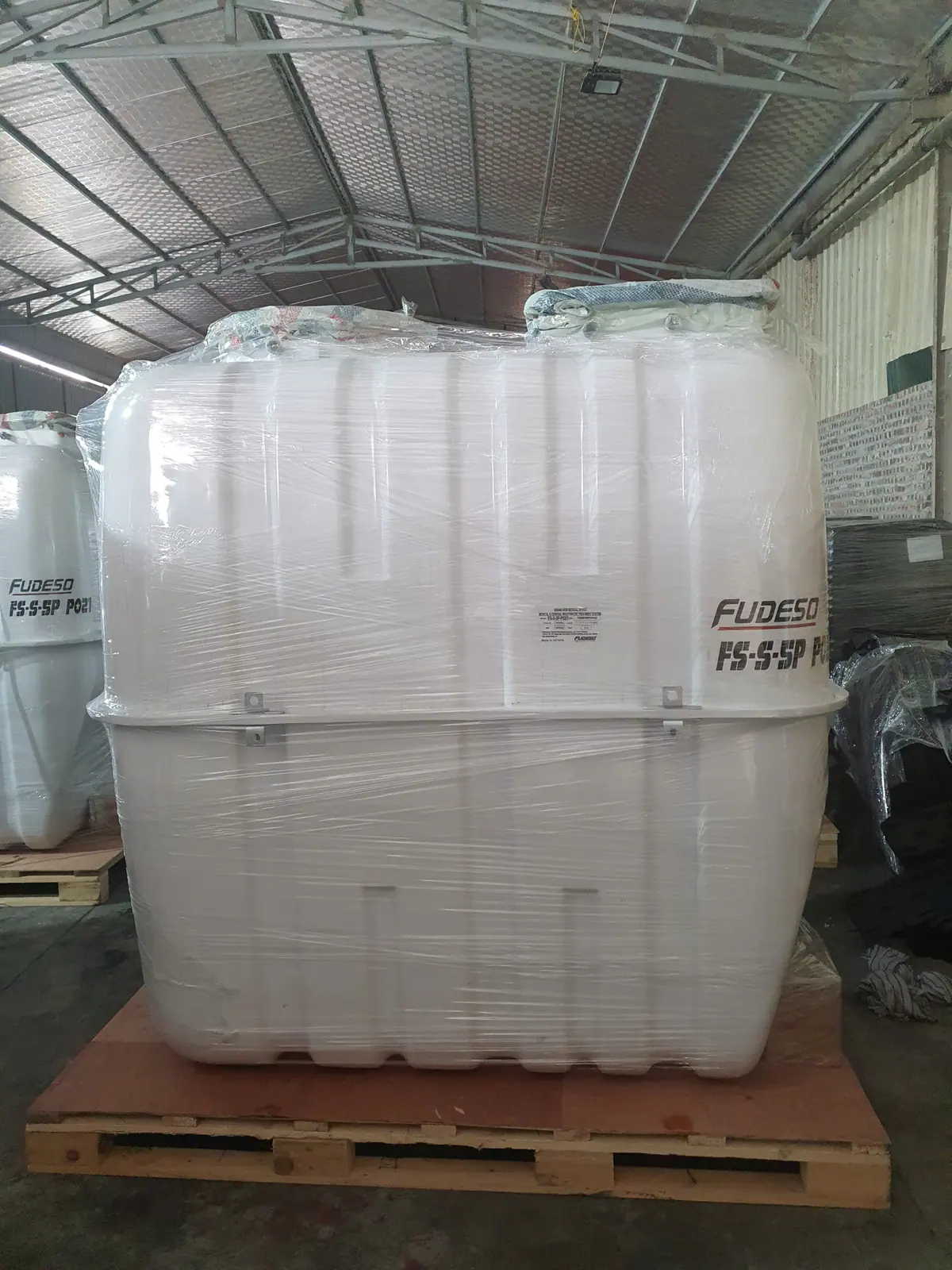
FUDESO supplies automatic grease separators (such as FATBUSTA), FRP manual grease traps and wastewater treatment systems for food plants; published projects include a 50 m³/day food-processing plant wastewater system completed in December 2023 and a grease separator for the Heineken plant. See grease removal and wastewater treatment for restaurants, kitchens and food plants and industrial wastewater treatment, or send your information for an engineer’s survey.
Download the regulation texts
- QCVN 40:2025/BTNMT (PDF, 569 KB)
See more documents in the regulation library.
Source: QCVN 40:2025/BTNMT and Circular 06/2025/TT-BTNMT (Official Gazette No. 559 + 560 of 19 March 2025). For reference only; the characteristic parameters for a specific product and the applicable column must be checked against the facility’s EIA decision or environmental permit.
Request a consultation
A FUDESO engineer will get back to you soon to discuss and arrange a site survey.
Hotline (+84) 24 3206 3222