

What is MBBR media? Types of moving biofilm carriers and how to choose
បានផ្សាយ 22/11/2026ខ្លឹមសារនេះមិនទាន់បានបកប្រែទេ។ កំពុងបង្ហាញជាភាសាអង់គ្លេស។
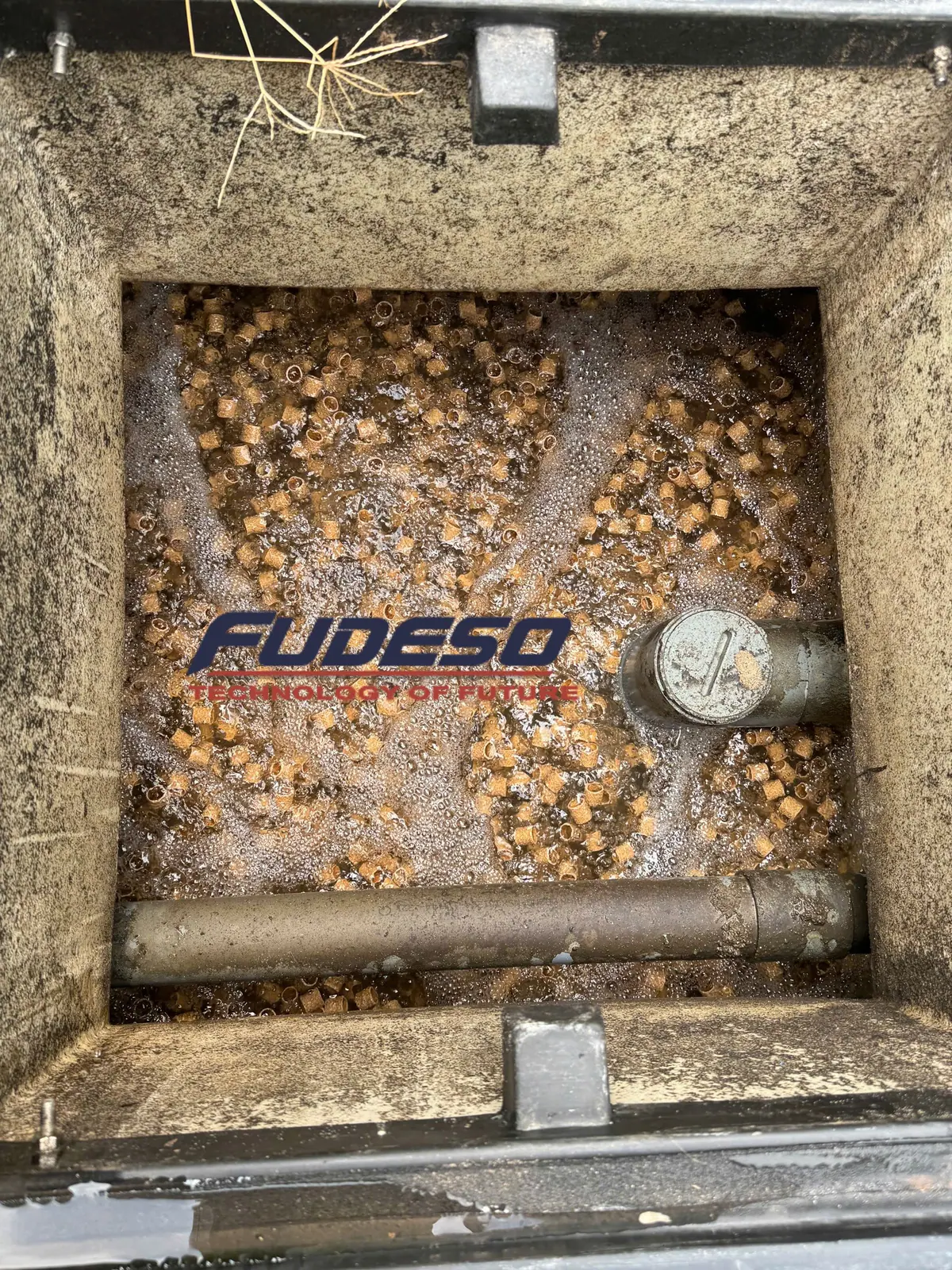
MBBR media, or moving biofilm carriers, are small plastic pieces kept in a biological tank so that microorganisms attach and form a biofilm. They are the core of MBBR technology.
What is MBBR?
MBBR stands for Moving Bed Biofilm Reactor. It was developed in the late 1980s in Trondheim, Norway, by Professor Ødegaard and colleagues at NTH/SINTEF and commercialised from 1989. Carriers move continuously by aeration or mixing while the biofilm on them removes organic matter (BOD, COD) and nitrogen.
- High biomass density, so tanks are more compact.
- Tolerant of load peaks, stable operation.
- Aerobic, facultative and anaerobic microorganisms coexist on one carrier, treating COD, BOD, ammonia and nitrate together.
MBBR media supplied by FUDESO
| Type | Material, shape | Surface area | Notes (manufacturer data) |
|---|---|---|---|
| WD media (China) | Virgin HDPE, wheel type | 510–1,200 m²/m³ | Biofilm about 70 micron; MLSS 2,000–20,000 mg/L |
| BF20T media (Japanese technology, made in Vietnam) | Virgin PP, rough tube | 600 m²/m³ | Rough surface for strong attachment |
How to choose
- Specific surface area together with good movement in the tank.
- Material: virgin HDPE or PP, chemically resistant.
- Fill ratio and aeration designed with the tank and blower.
- Retention screens at the outlet.
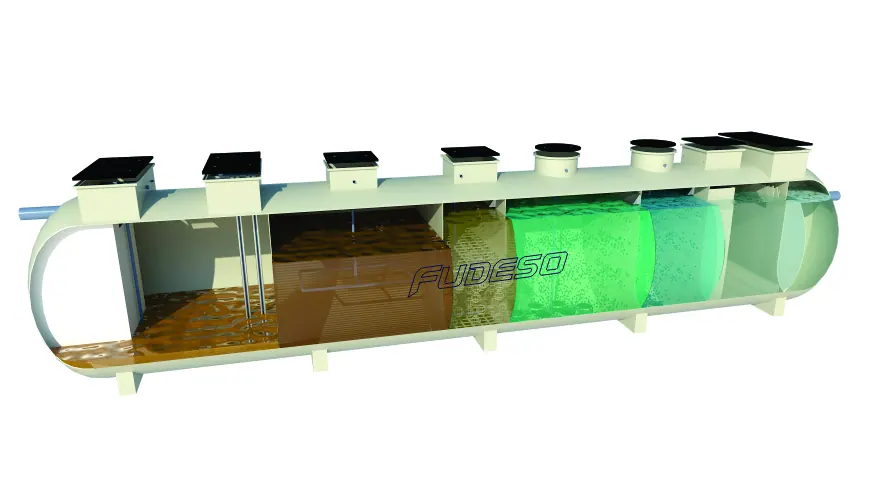
FUDESO Johkasou series FS-S, FS-A and FS-B use MBBR; the FS-H series uses MBR (membrane bioreactor). See Johkasou MBBR.
ស្នើសុំការប្រឹក្សា
វិស្វករ FUDESO នឹងទាក់ទងត្រឡប់ទៅវិញ ដើម្បីពិភាក្សា និងណាត់ការអង្កេតទីតាំង។
ខ្សែទូរស័ព្ទបន្ទាន់ (+84) 24 3206 3222