
Hospital and clinic wastewater: new standards and how to choose a system
បានផ្សាយ 21/11/2026ខ្លឹមសារនេះមិនទាន់បានបកប្រែទេ។ កំពុងបង្ហាញជាភាសាអង់គ្លេស។
Hospital and clinic wastewater has its own character: it contains organic matter, nitrogen, surfactants and microorganisms, and coliform and residual chlorine are tightly controlled. A treatment system therefore usually combines a biological stage with disinfection.
Applicable standards after 1 September 2025
- Medical wastewater used to follow QCVN 28:2010/BTNMT. The foreword of QCVN 40:2025/BTNMT (Circular 06/2025/TT-BTNMT, effective 1 September 2025) lists QCVN 28:2010/BTNMT among the standards it replaces.
- Facilities already operating, or with an approved EIA decision, environmental permit or valid dossier accepted before 1 September 2025, may keep applying the old standard until the end of 31 December 2031 under the transitional provisions; new projects, expansions and capacity increases apply the new standard.
- Appendix 2 of QCVN 40:2025 lists “Hospitals and health stations” (code Q 861) with the characteristic parameters total nitrogen, total phosphorus, ammonium, anionic surfactants and animal and vegetable oil and grease; “General, specialist and dental clinics” (code Q 862) have anionic surfactants as the characteristic parameter. A facility with a waste incinerator must also control dioxins/furans and sulfite in the wastewater from the incinerator’s flue-gas treatment.
- Limits for selected parameters at a discharge flow F ≤ 2,000 m³/day (Table 1) and the general parameters (Table 2):
| Parameter | Column A / B / C |
|---|---|
| BOD5 (mg/l) | 40 / 60 / 80 |
| COD (mg/l) | 65 / 90 / 130 |
| TSS (mg/l) | 40 / 80 / 120 |
| T-N (mg/l) | 20 / 40 / 60 |
| N-NH4+ (mg/l) | 5.0 / 10 / 12 |
| Coliform (MPN/100 mL) | 3,000 / 5,000 / 5,000 |
| Clo dư (mg/l) | 1.0 / 2.0 / 2.0 |
- Columns A, B and C are set by the function of the receiving water; if the zoning is not yet determined, Column B applies. The column for each facility is stated in its EIA decision or environmental permit.
How to choose a system
- Determine the flow from beds, outpatient visits, canteen, laundry and water-intensive departments. Small facilities such as clinics and health stations are often a few m³/day.
- Determine the standard and column and any water reuse requirement.
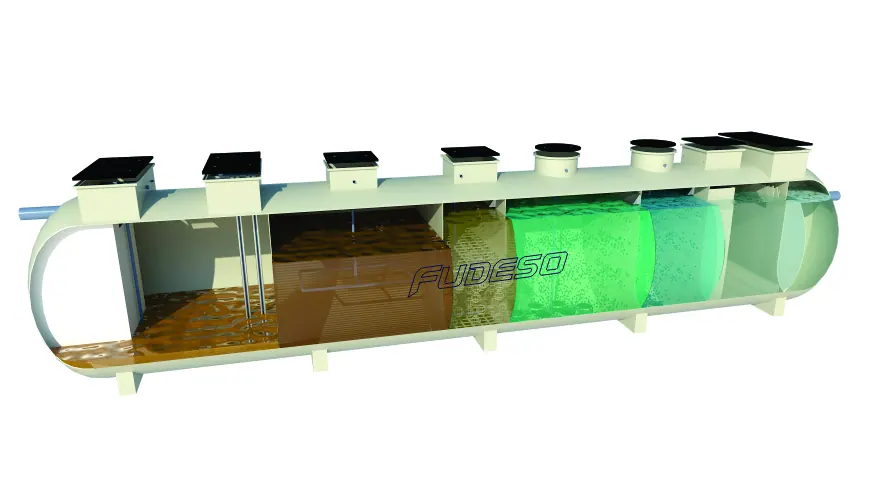
- Choose the technology: an integrated Johkasou MBBR system (FS-S-xP: 1–11 m³/day; FS-A(M)-xP: from 12 m³/day) or MBR (FS-H-xP: from 10 m³/day) per the FUDESO catalogue. MBR keeps sludge concentrated, so the tank is compact and the effluent quality is high.
- A disinfection stage to control coliform and residual chlorine within the applicable limits.
- Periodic operation and maintenance and monitoring samples as required by the environmental permit.
What FUDESO has done for medical facilities
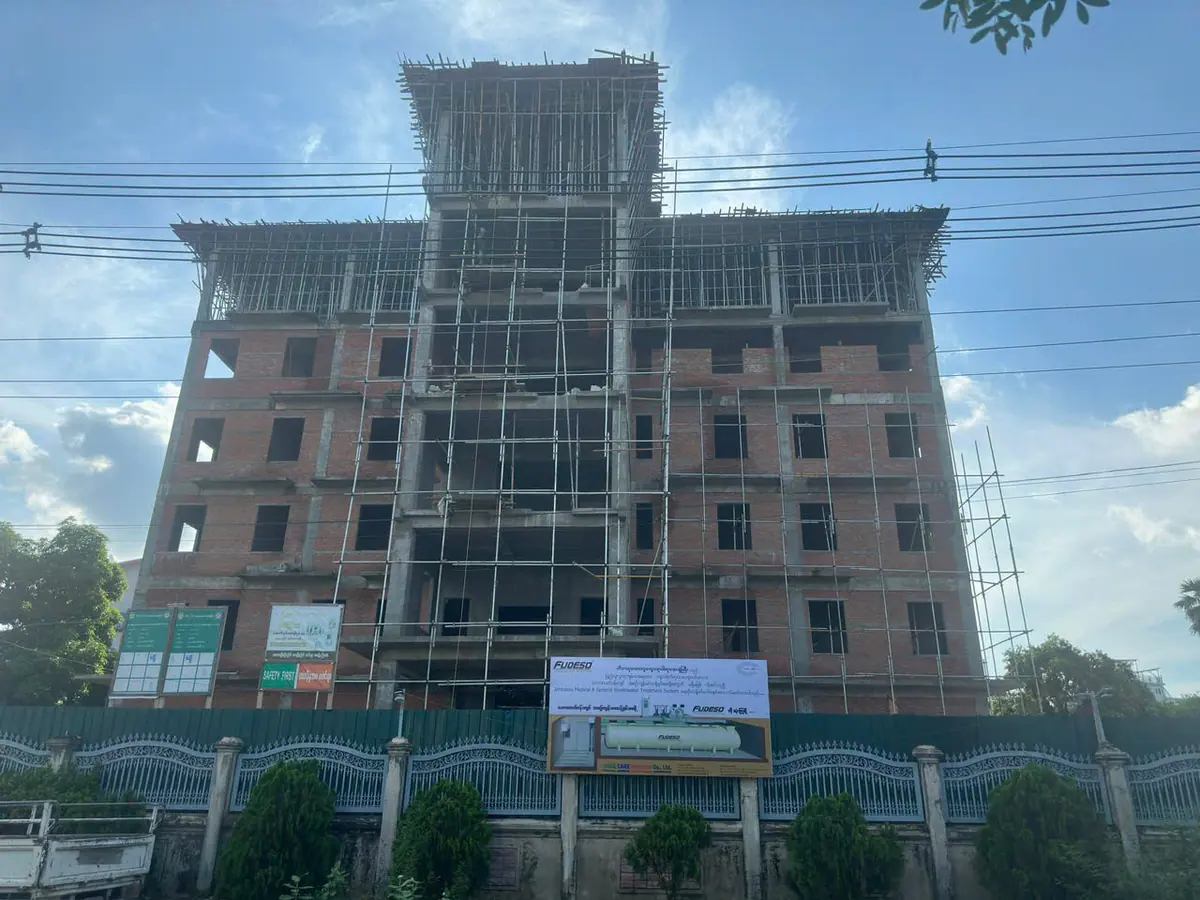
FUDESO designs, manufactures FRP composite shells and installs integrated medical wastewater systems for hospitals and clinics at home and for export, for example the Royal Heart Hospital and the Rohto Japan Eye Care Center projects. See wastewater treatment for hospitals and clinics and Johkasou, or send a request for an engineer’s survey.
Download the regulation texts
- QCVN 40:2025/BTNMT (PDF, 569 KB)
See more documents in the regulation library.
Source: QCVN 40:2025/BTNMT and Circular 06/2025/TT-BTNMT (Official Gazette No. 559 + 560 of 19 March 2025). This article is for reference. Medical wastewater is also subject to sector regulations on medical waste management; confirm the standard, parameters and column with your environmental consultant and the authority.
ស្នើសុំការប្រឹក្សា
វិស្វករ FUDESO នឹងទាក់ទងត្រឡប់ទៅវិញ ដើម្បីពិភាក្សា និងណាត់ការអង្កេតទីតាំង។
ខ្សែទូរស័ព្ទបន្ទាន់ (+84) 24 3206 3222